
Thinking about trading Bay Area prices for more space and a slower pace? If you work in or around San Jose but want a bigger home and a backyard you can actually enjoy, the Central Valley might be your next move. Relocation is a big decision, and it comes with questions about costs, commute, timing, and how to buy smart from a distance. This guide gives you a clear, step-by-step plan tailored to moves from San Jose to Los Banos, Merced, and Modesto so you can move with confidence. Let’s dive in.
Why move to the Central Valley
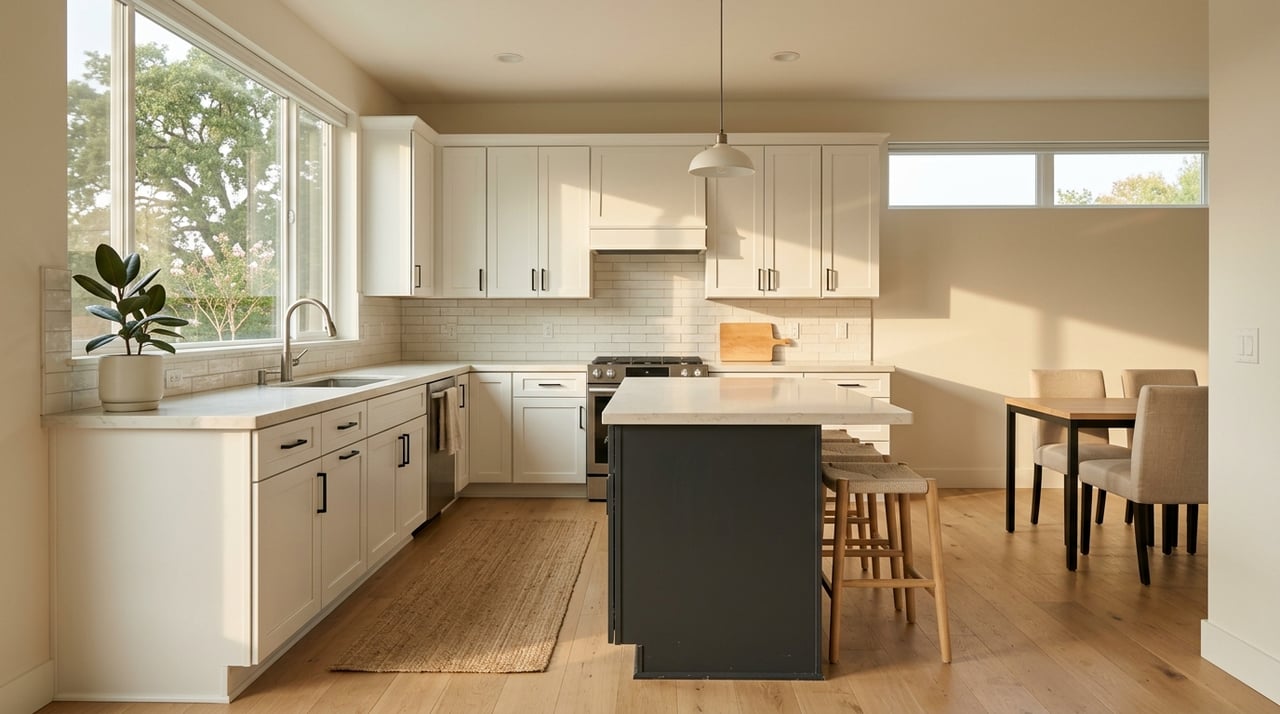
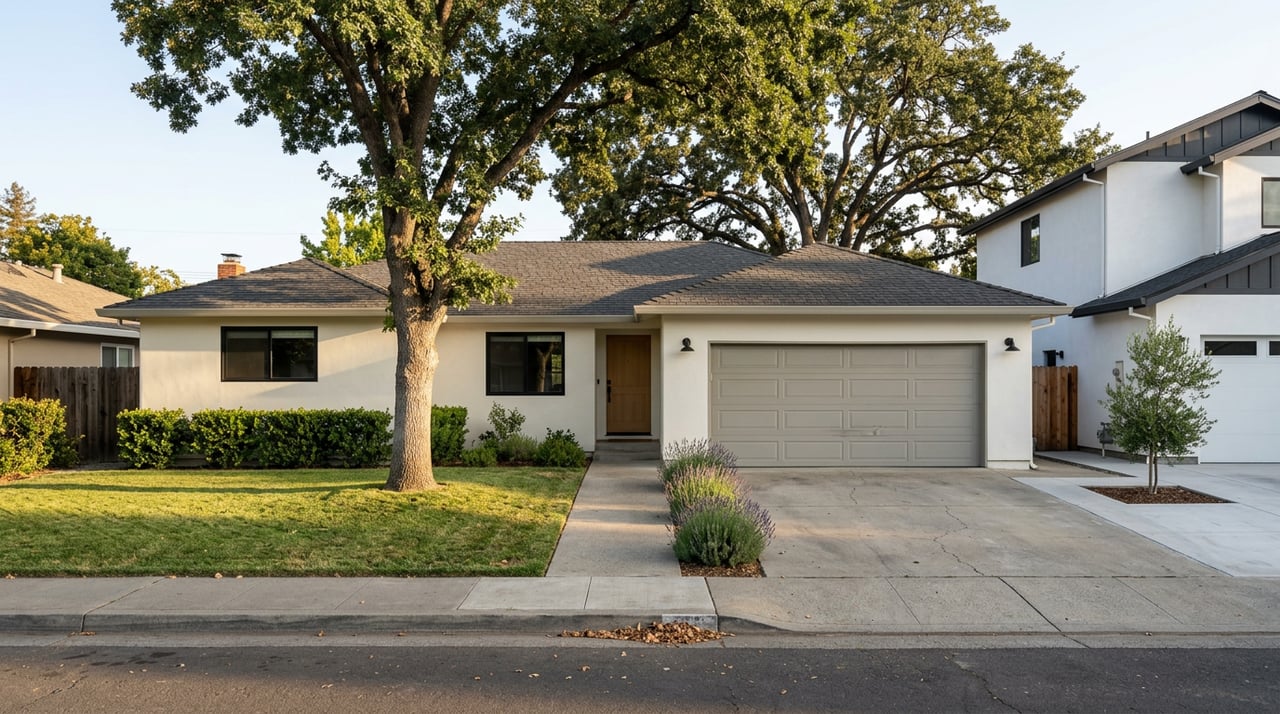
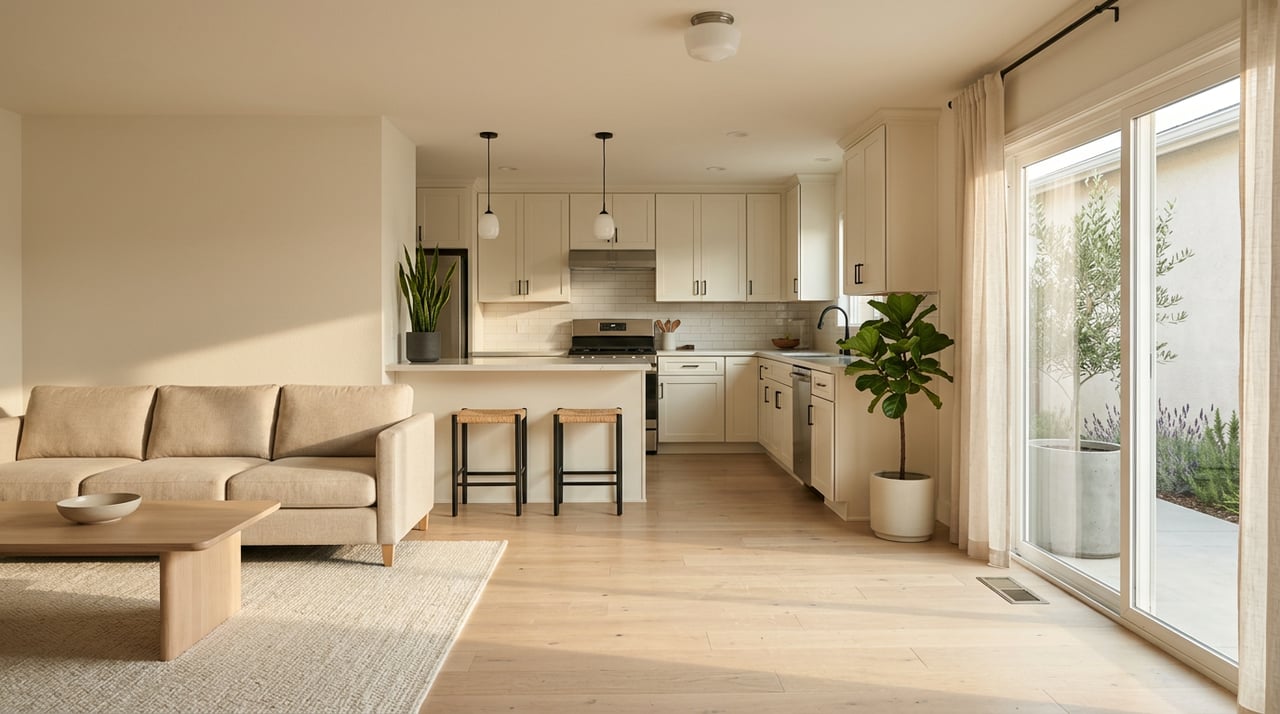
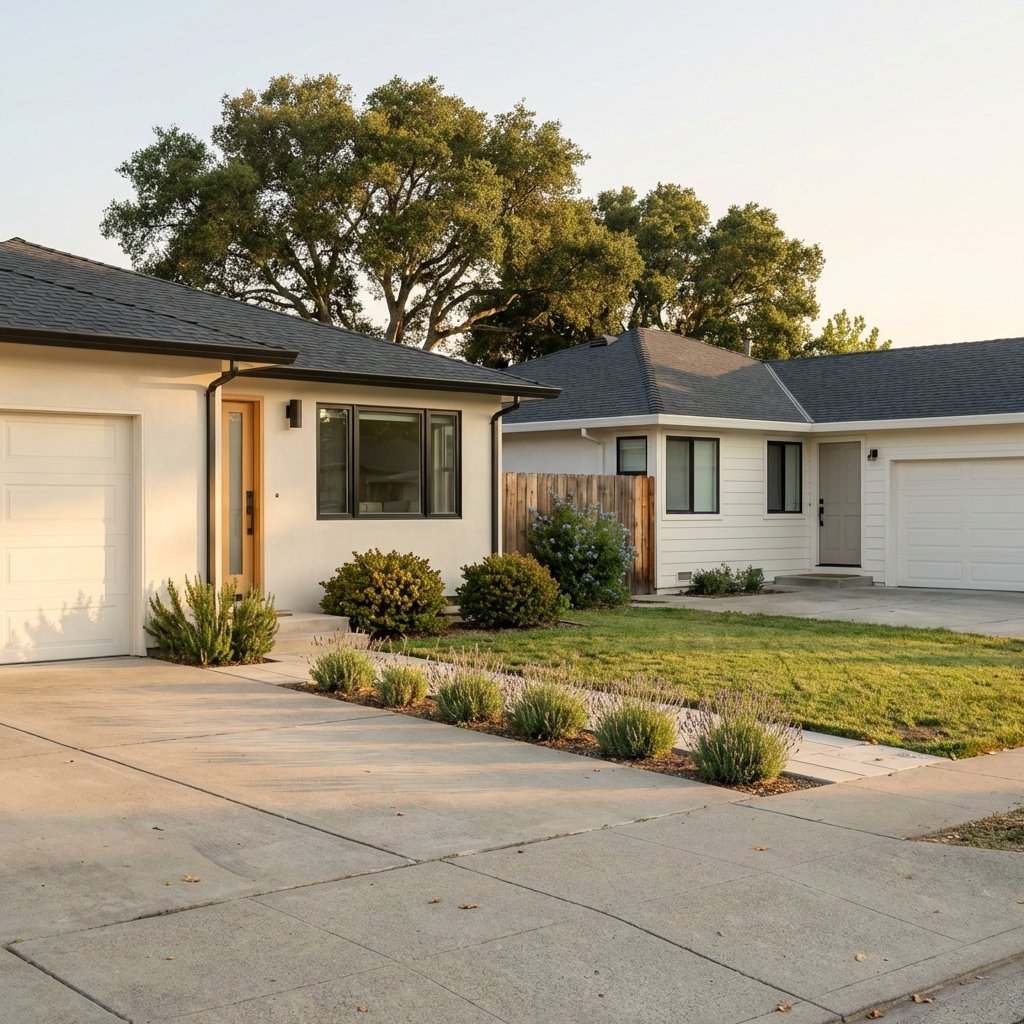
Bay Area home prices are often several times higher than comparable homes in Los Banos, Merced, and Modesto. Many buyers move east to get more square footage, a yard, or a single-family home at a lower price. You may also see lower property tax bills in dollar terms because taxes are based on assessed value under Proposition 13.
Keep in mind that wages across Central Valley counties are generally lower than Santa Clara County. If you will commute to a Bay Area job, factor in transportation time and costs. For hybrid workers, the tradeoff can be attractive when you only drive in a few days per week.
Where people are landing
Los Banos
Los Banos offers a small-city feel with newer subdivisions and single-family homes. It sits along CA-152 for a direct route toward Silicon Valley. Many buyers choose it for value and a manageable drive when working hybrid schedules.
Merced
Merced blends college-town energy with suburban neighborhoods. You will find a range of single-family homes and some rural properties nearby. Its location along major corridors makes it a viable option for remote workers who visit the Bay Area occasionally.
Modesto
Modesto is a larger city with varied neighborhoods and suburban tracts. It often appeals to buyers who want more amenities while staying within a more accessible price band than core Bay Area communities.
Budget and ongoing costs
- Property taxes: In California, property taxes are generally about 1% of assessed value plus local assessments. Lower purchase prices in the Central Valley often mean lower annual tax bills in dollar terms.
- Closing costs: Buyers and sellers split escrow, title, and related fees by local custom. Plan for these upfront and ask your escrow company for an estimate once you open a file.
- HOA and utilities: HOA fees vary by community. Utility rates and municipal service fees can differ by city, so review typical monthly costs before you make an offer.
- Insurance and hazards: Parts of the Central Valley are in FEMA flood zones. Review FEMA flood maps early, especially for properties near rivers or levees. Wildfire risk can apply in foothill and grassland areas, and earthquake coverage is optional. For rural or acreage homes, confirm water source, well or septic status, and any irrigation notes.
Commute planning from the Valley
Typical one-way drive times depend on origin, route, and traffic. As a general guide:
- Los Banos to San Jose: about 60 to 90 miles, often 1 to 1.75 hours.
- Merced to San Jose: about 75 to 100 miles, often 1.5 to 2 hours.
- Modesto to San Jose: about 70 to 95 miles, often 1.25 to 2 hours.
Peak traffic, road work, weather, and incidents can push times higher. Always test your commute at the days and hours you expect to travel. If your employer offers hybrid work, get policies in writing and plan for the possibility of more in-office days later.
Transit and rail options
- The Altamont Corridor Express (ACE) runs commuter rail service with planned extensions that aim to improve Central Valley connectivity to Bay Area job centers.
- Amtrak San Joaquins serves several Central Valley stations with connections toward the Bay Area on limited schedules.
- Check Caltrans updates for highway projects and commute planning.
Many long-distance commuters also use park-and-ride lots and carpools. If you are on a hybrid schedule, consider syncing office days with the most reliable train or carpool options.
Cost out your commute
Longer drives add fuel, maintenance, and time costs. Create a monthly budget that includes miles driven, fuel price assumptions, tolls, and the value of your time. Compare those costs to your housing savings to see the full picture.
How to tour and buy from afar
Remote buyers succeed when they combine virtual tools with local expertise and strong due diligence.
- Use virtual assets: 3D tours, live video showings, and detailed floor plans help you assess layout and condition from home. Ask for drone footage for a better view of lot lines and surrounding features.
- Work with a local buyer’s agent: A local pro can check noise levels, traffic patterns, and neighborhood feel, and can preview homes on your behalf.
- Keep standard contingencies: Central Valley markets can be competitive in pockets, but buyers often retain inspection and appraisal contingencies. Balance speed with protection.
- Inspections: Schedule a professional home inspection before removing your inspection contingency. In the Central Valley, pest reports are common. For rural properties, consider well, septic, drainage, and water quality checks.
- Disclosures: Review the Transfer Disclosure Statement and the Natural Hazard Disclosure early. The California Association of Realtors offers guidance on forms and timelines that your agent and escrow will follow.
Smart offer strategy
- Be ready: Secure a strong preapproval or proof of funds before touring. This shows sellers you can close.
- Earnest money: A solid deposit can strengthen your offer. Size it to match local norms and your risk comfort.
- Appraisal planning: If you offer above list price, discuss an appraisal-gap approach or have reserves ready in case of a shortfall.
- Contingency timing: Typical escrow lengths run 21 to 45 days. Inspection periods commonly range 7 to 17 days. Align timing with your lender and your move plan.
- Negotiation: The right terms can matter as much as price. Consider closing flexibility, rent-backs, or short contingency periods if they fit your risk tolerance.
Sell in San Jose, buy in the Valley: timelines
You can sequence your sale and purchase in a few ways. Choose the path that best reduces stress and financial risk for your household.
Scenario A: Sell first, buy later
- 90 to 120 days out: Interview listing agents, complete prep work, and plan your timeline.
- 0 to 30 days before listing: Photography, staging, and a pre-inspection if useful.
- After you go under contract: Escrow typically runs 21 to 45 days. Use proceeds to fund your Central Valley purchase.
This path reduces the risk of carrying two mortgages and can increase your negotiating power as a buyer.
Scenario B: Buy first, then sell
- 90 to 120 days out: Get preapproved and begin touring. Target homes that fit your budget and commute.
- Coordinate closing: Use a sale-of-home contingency, bridge financing, or plan for a short overlap.
- Consider a rent-back: This gives you time to move out smoothly after your sale closes.
Scenario C: Contingent or bridge solutions
- Bridge financing or a home equity line can cover a short overlap, though these come with costs and underwriting.
- Rent-backs and flexible escrows can reduce rush and uncertainty.
A three to four month move checklist
- 3 to 4 months out: Research neighborhoods. Confirm hazards, utilities, and insurance. Secure a Central Valley buyer’s agent and begin decluttering your Bay Area home.
- 2 months out: If selling, list your home. If buying first, write offers and aim to align your closing date with your sale or lease end.
- 30 to 45 days out: Book movers, forward mail, confirm escrow dates, and set up utility and HOA transfers.
- 0 to 14 days out: Do your final walkthrough, complete your move, and update your address with the California DMV.
Moving costs to expect
- Professional movers: Prices vary by distance and volume. For a two to three bedroom home, expect a few thousand dollars for licensed movers. Get multiple written quotes.
- DIY options: Truck rentals or container movers can save money but require more effort.
- Storage: Budget month-to-month storage if your closing dates do not line up.
- Temporary housing: Extended-stay hotels or month-to-month rentals can bridge short gaps.
Bilingual support and community integration
If you prefer Spanish for key conversations, ask for full-service bilingual support. Many Central Valley professionals can provide Spanish-language explanations of timelines, costs, contingencies, and disclosures. While the legal contracts are in English, translated summaries can improve clarity. Your agent can also coordinate with bilingual inspectors, lenders, escrow officers, and contractors. For families, check local school district resources for bilingual programs and language access services.
Next steps
Relocating is easier when you have a local guide who understands both the Bay Area and the Central Valley. From virtual tours and hazard reviews to offer strategy and escrow coordination, the right plan protects your timeline and your budget. If you want more space without losing touch with Bay Area opportunity, let a trusted local advisor map the steps and advocate for your goals.
Have questions about neighborhoods, commute plans, or how to time your sale and purchase? Connect with Naomi Townsend for bilingual, start-to-finish guidance. Start here — get your free home valuation and a tailored relocation plan.
FAQs
What commute times should I expect from Los Banos, Merced, or Modesto to San Jose?
- Plan for about 1 to 2 hours one way depending on origin, route, and traffic, and test the drive during your actual work hours before you commit.
Will Central Valley housing savings outweigh a Bay Area commute?
- Many buyers see significant housing savings, but the net benefit depends on your added transportation costs, time, and your employer’s in-office requirements.
How do I write a competitive offer when I’m buying from afar?
- Get preapproved, use a local buyer’s agent, include a solid earnest deposit, and keep reasonable inspection and appraisal contingencies unless market conditions suggest otherwise.
What hazards should I check before buying in the Central Valley?
- Review flood zones on FEMA flood maps, consider wildfire and earthquake risk, and verify well or septic status for rural properties.
How long does escrow usually take in California?
- Typical timelines range from 21 to 45 days, with inspection contingencies often 7 to 17 days, depending on your lender and local custom.
Can I close remotely if I still live in San Jose?
- Many escrow and title providers support e-signatures and remote notarization for some documents, subject to lender and state requirements; ask early to confirm.