
What if you could trade a tight Bay Area commute and limited space for a calmer pace and more room to breathe, without leaving California? If Los Banos is on your radar, you are not alone. Many buyers look here for lower housing costs, larger lots, and a friendly, small-city feel. In this guide, you will learn what everyday life looks like, how the commute works, where people spend free time, and what types of homes you will find. Let’s dive in.
Why Los Banos appeals to buyers
Los Banos is a Central Valley city of about 45,000 people. The community features a relatively young median age and a large Hispanic and Latino population compared with statewide averages. You will notice close-knit neighborhoods and a regional economy that includes agriculture, food processing, logistics, retail, and local services.
For many Bay Area relocators, the draw is clear. Lower housing costs relative to the Bay Area, more space per dollar, and a more rural or suburban lifestyle make Los Banos a practical fit. Remote and hybrid workers often choose Los Banos to balance affordability with occasional trips to job centers in Silicon Valley or San Jose.
Everyday life and amenities
Shopping and dining
Los Banos has a traditional main-street downtown and several commercial corridors with grocery stores, restaurants, and service businesses. You will find both chain grocers and independent markets, including local produce from the region’s agricultural network. Larger-format retail tends to sit at the city’s edges or in nearby towns.
Healthcare snapshot
You can access primary care clinics and outpatient services within the city. For full-service hospitals or specialized care, most residents drive to larger nearby cities such as Merced. If healthcare access is a priority, plan your routes and timing for appointments before you commit to a neighborhood.
Schools and education
Public schools are part of Los Banos Unified School District. School performance and programs vary by campus. To make an informed decision, review current state school report cards and recent district data. For higher education, UC Merced and regional community colleges are within driving distance.
Getting around
State Route 152 runs east to west through Los Banos, connecting you over Pacheco Pass toward Gilroy and the South Bay, and to the Central Valley interior to the east. Interstate 5 is accessible via regional connectors. Local bus service exists, but there is no direct Bay Area commuter rail line from Los Banos. Rail trips require travel to a larger hub, such as Merced, for onward connections.
Freight and agricultural traffic are part of the regional picture. Expect heavier truck volumes along certain corridors, especially near distribution and industrial areas.
Outdoor recreation and open space
San Luis Reservoir
San Luis Reservoir State Recreation Area is a major local highlight. Residents go for boating, fishing, hiking, and camping. Water levels and access can vary by season, so check conditions before you go.
Grasslands and wildlife areas
Great Valley Grasslands State Park and surrounding wildlife areas offer birding, seasonal wetlands, and broad Central Valley views. If you enjoy open spaces and quiet trails, you will have plenty to explore year-round.
Parks and local facilities
Within the city, you will find community parks, sports fields, and a municipal golf course. The climate and relatively flat terrain make everyday outdoor activity feasible most of the year, with hot, dry summers and mild winters.
Housing options in Los Banos
Typical home styles and lots
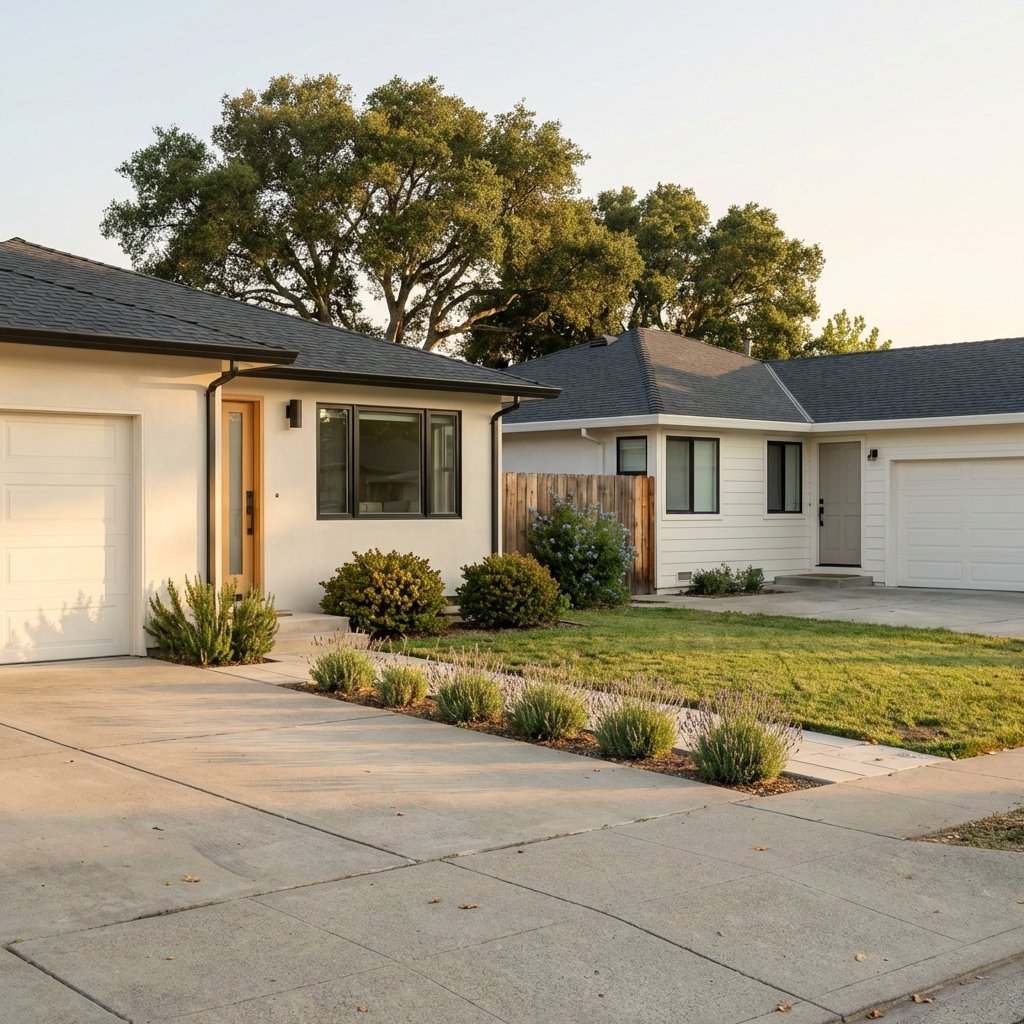
Single-family detached homes are the most common property type in Los Banos. You will see single-story ranch homes and two-story suburban styles across many neighborhoods. Compared with many Bay Area suburbs, lots are typically larger, with room for outdoor living and gardening. Three and four bedroom layouts are common.
Neighborhoods often include homes built in the latter half of the 20th century, plus infill and new subdivisions from the 1990s through the 2010s. You will also see mobile home parks and apartment communities that serve the rental market.
What different price tiers buy
- Entry-level homes: Usually older or smaller single-family properties that may need cosmetic updates or modest repairs. These can be good fits for first-time buyers or investors wanting to add value.
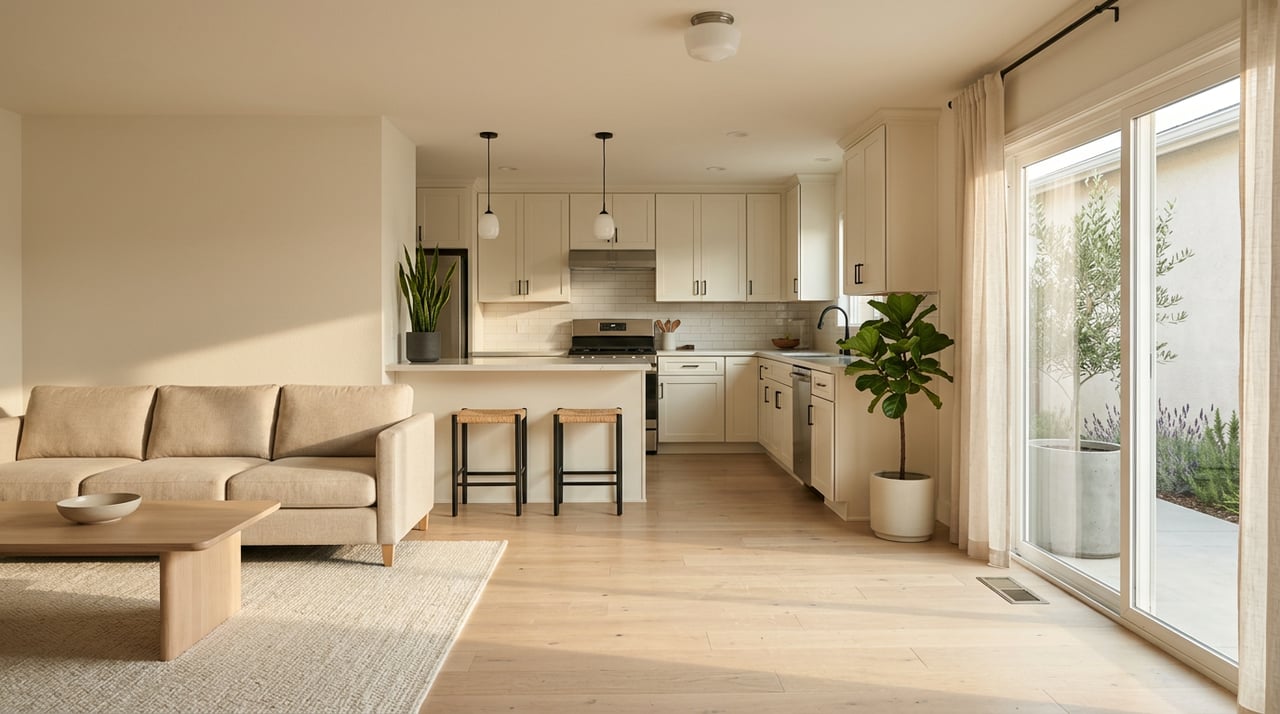
- Mid-range family homes: The core of the market. Expect 3 to 4 bedrooms, 2 baths, and moderate to large yards. Many have updated finishes or recent renovations.
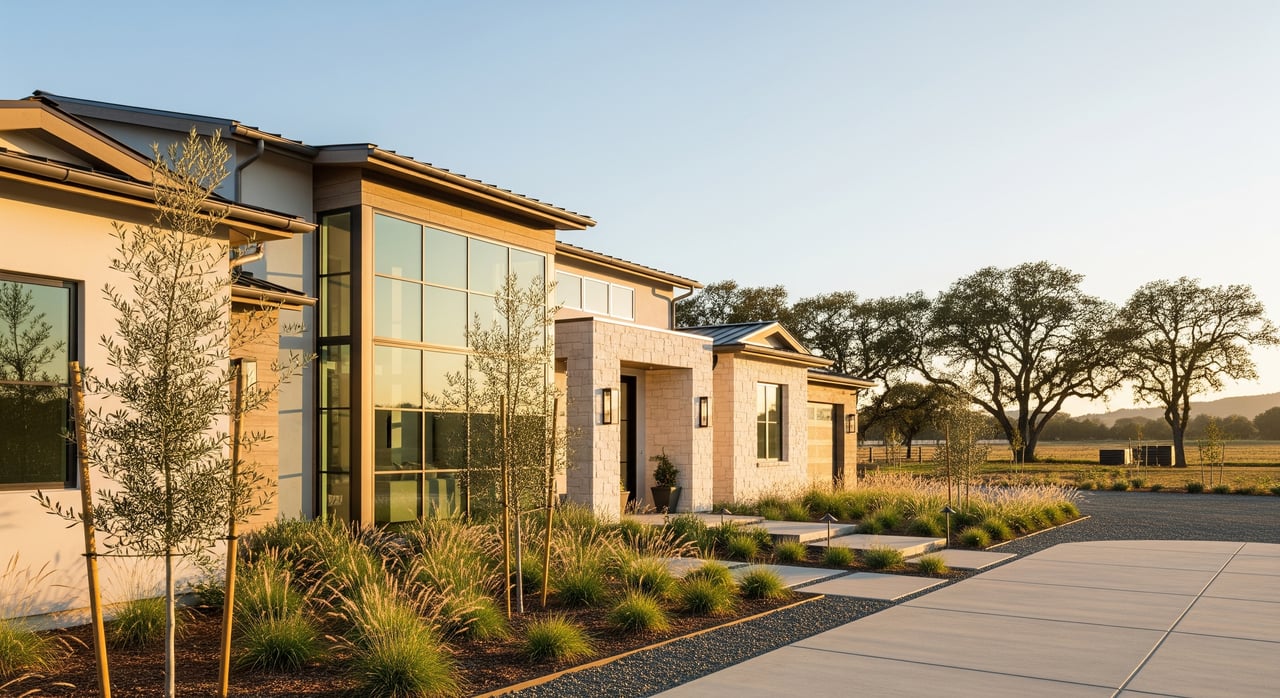
- Higher-end and new construction: Larger homes on bigger lots, newer subdivisions, and some semi-custom options at the edges of town. These can offer more privacy or contemporary floor plans.
Because prices shift with seasonality and mortgage rates, verify current numbers with live market data before you set a budget or make an offer.
New development and rentals
Los Banos sees periodic new subdivisions that expand single-family options with community parks and sidewalks. For renters, apartments and mobile home communities add variety to available housing, especially for those testing the area before buying.
Practical considerations for buyers
Commute realities
If you work in the South Bay or along the Peninsula, plan for drive times that can exceed 1.5 hours each way depending on traffic and route. Many residents who work in the Bay Area rely on hybrid or remote schedules. Before you decide on a home, test your commute during the times you would travel.
Utilities, water, and environment
Water availability matters across California. Ask about any recent water restrictions, irrigation rules, and drought-tolerant landscaping at the properties you consider. Los Banos sits in a flat valley environment. Wildfire risk is generally lower than forested foothill areas, but grass and brush fires can occur during dry seasons. Some locations near reservoirs and river channels may have flood considerations. Review FEMA flood maps and local planning information during due diligence.
Electricity, gas, and typical suburban utilities are available. Internet speeds vary by provider and address. Remote workers should confirm broadband coverage for specific homes early in the search.
Taxes and ongoing costs
California’s Proposition 13 sets the framework for property tax assessments. Your property tax will reflect the assessed value at purchase plus any special assessments. The overall cost of living in Los Banos tends to be lower than in many Bay Area communities. If you commute long distances, higher transportation costs can offset part of those savings, so plan your budget accordingly.
Safety and community services
Public safety conditions vary by neighborhood and change over time. Review recent city or county crime reports and police maps to understand current trends. Los Banos has local police and fire protection, with regional mutual-aid support for larger incidents.
How to choose the right neighborhood
Use a clear checklist to align your lifestyle and budget with the right location:
- Commute and access: Test routes to work, schools, and medical providers during real travel times.
- Lot size and privacy: Decide how much yard you want and the level of maintenance you will take on.
- Home age and condition: Older homes can offer value, but plan for updates. Newer builds may reduce near-term maintenance.
- Broadband and utilities: Confirm internet speeds, provider options, and monthly costs.
- Water and landscaping: Ask about irrigation, drought-tolerant plants, and any watering rules.
- Environmental due diligence: Check FEMA flood maps, local planning documents, and any HOA rules.
- Schools: Review district and state report cards for any campuses you are considering.
- Recreation and parks: Map proximity to parks, trails, San Luis Reservoir, and the activities you enjoy.
Buying with a trusted local guide
Relocating or moving up is easier when you have a partner who knows the streets, builders, and micro-trends. A strong local agent can help you compare neighborhoods, time the market, and negotiate the terms that matter for your budget and lifestyle. With bilingual service, digital-first tools, and hands-on support, you can tour efficiently, evaluate options with clarity, and move forward with confidence.
If you are exploring Los Banos or nearby Central Valley markets, reach out for clear advice tailored to your goals. Hablamos Español.
Ready to get started? Connect with Naomi Townsend for local guidance, negotiation strategy, and a smooth path to your next home.
FAQs
What is the commute like from Los Banos to the Bay Area?
- Drive times can exceed 1.5 hours each way depending on route and traffic, so many residents use hybrid or remote work schedules.
How do Los Banos home prices compare to the Bay Area?
- Homes are substantially more affordable in Los Banos, with more space per dollar; verify current numbers with live market data before you set a budget.
What types of homes are most common in Los Banos?
- Single-family homes dominate, including single-story ranch and two-story suburban styles, often with 3 to 4 bedrooms on larger lots.
Are there good outdoor recreation options near Los Banos?
- Yes, residents frequent San Luis Reservoir for boating and hiking, visit Great Valley Grasslands for birding, and enjoy city parks and a municipal golf course.
What should I know about schools in Los Banos?
- Public schools are part of Los Banos Unified, and program strength varies by campus; review current state report cards to inform your choice.
Are there any environmental risks I should check when buying?
- Review FEMA flood maps, ask about water use and irrigation rules, verify broadband availability, and consider seasonal grass and brush fire conditions.