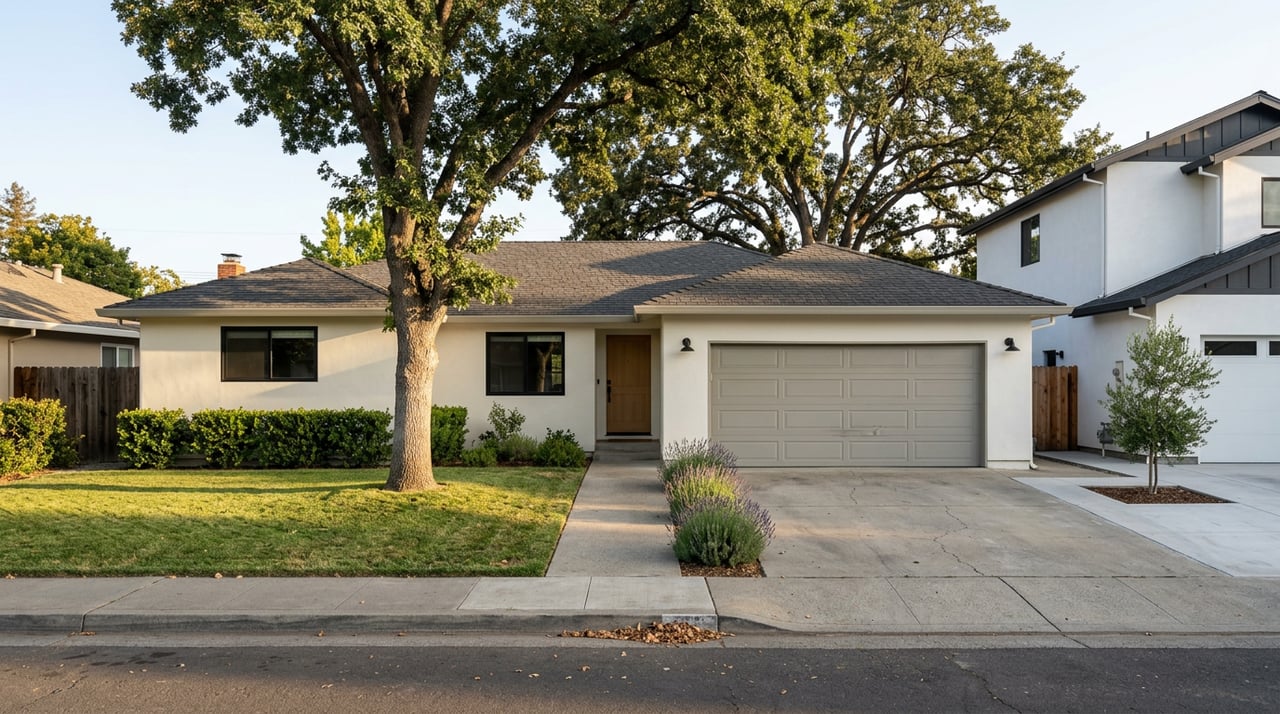
Torn between a shiny new subdivision and a tree‑lined established street in Morgan Hill? You are not alone. Many Bay Area relocators and local buyers weigh move‑in ease against lot size, future projects, commute options, and resale. In this guide, you will learn how newer and established homes differ on floor plans, yard space, maintenance, community feel, schools, and resale so you can choose with confidence. Let’s dive in.
Morgan Hill at a glance for relocators
Morgan Hill blends small‑city charm with Silicon Valley access. The city reports about 15,000 housing units, with the largest share built between 1980 and 1999 and roughly 74% built before 2000. That means many “established” neighborhoods feature homes from the 1960s through the 1990s, while “newer” subdivisions are mainly post‑2000 construction. You can confirm the citywide housing age and planning context in the City’s housing element. The City of Morgan Hill’s Housing Element is a helpful reference.
For commuting, Morgan Hill offers Caltrain service with limited daily runs, and many residents still use US‑101 for work trips. Before you buy, test your peak‑hour route so you know what your day will feel like. You can find broader transportation notes in the City’s adopted budget document that references local commuter rail service. See the City of Morgan Hill budget reference for context.
What to expect from newer subdivisions
Floor plans and modern systems
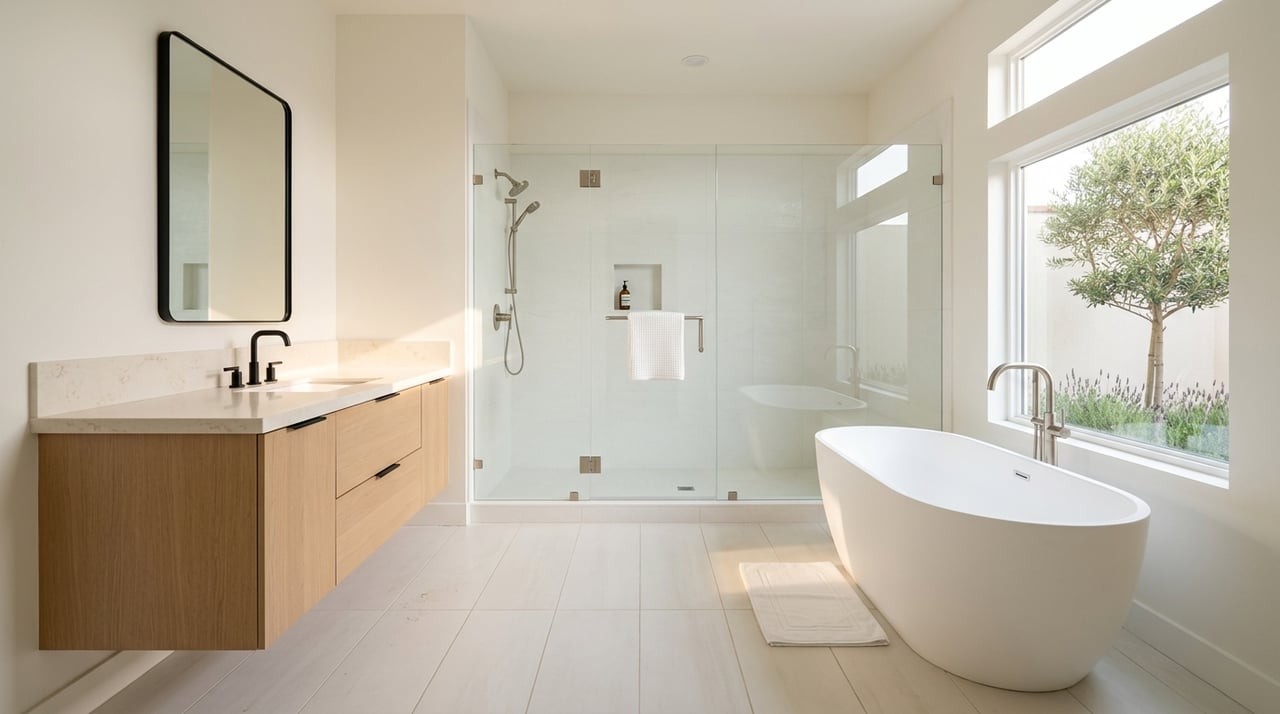
Newer neighborhoods often feature open‑concept layouts that connect kitchens, dining, and great rooms. Primary suites are typically larger, and you will see more home offices, lofts, and flexible spaces. Since 2020, most new single‑family homes in California are built to Title 24 energy standards that require rooftop solar or an approved alternative. This can mean lower utility bills over time. Learn more about the policy shift in this overview of the California solar requirement for new homes.
Recent code changes have also increased EV readiness in new construction, which makes adding charging easier later. Many builders include EV‑capable wiring or panel capacity to support that. For background on these statewide requirements, see this summary of CALGreen EV‑ready standards in new homes.
Yard sizes and neighborhood amenities
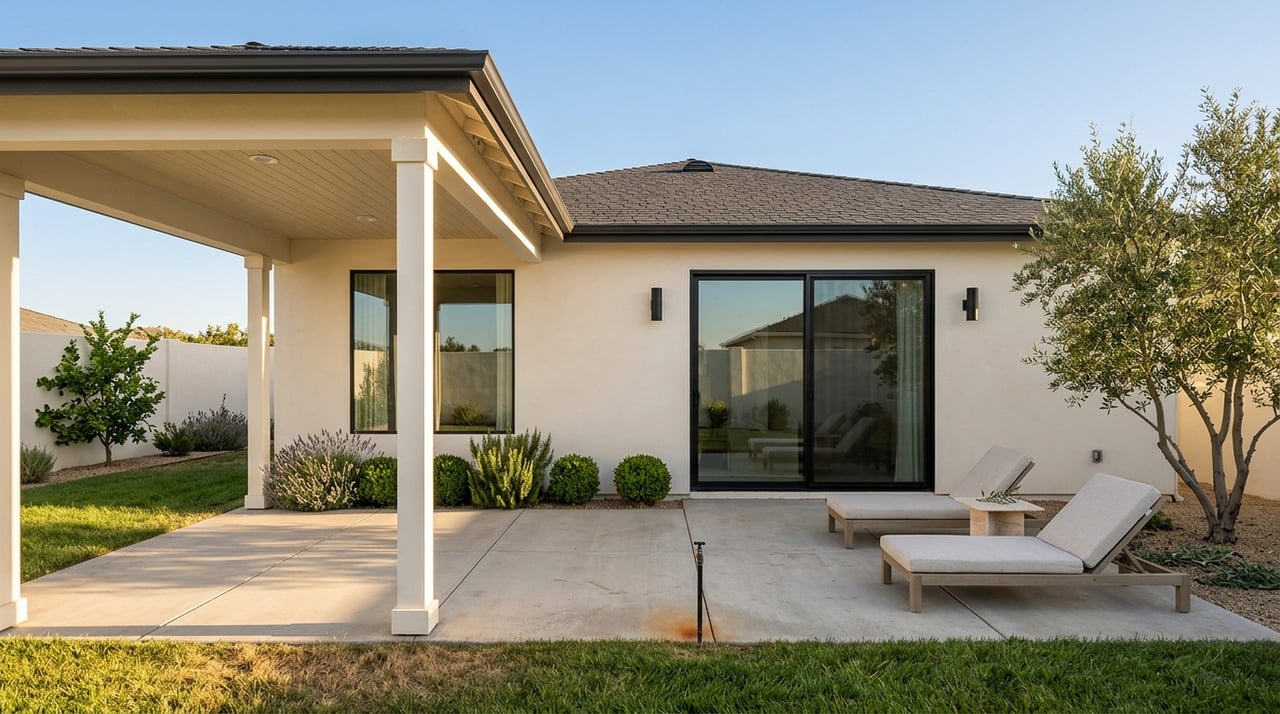
Compared to estate pockets, newer subdivisions typically trade large private yards for efficient outdoor areas, patios, and neighborhood green spaces. You will often find sidewalks, pocket parks, and consistent streetscapes with curb and gutter. Many communities have a homeowners association that maintains common areas and sets exterior standards. Expect underground utilities and modern drainage that reduce visible poles and wires.
Maintenance profile and warranties
With newer construction, major systems like roof, HVAC, electrical, and plumbing start young. That can lower short‑term repair risk. If the home is still within a builder warranty window, you may have added protection on workmanship and systems. New tech can add complexity though, such as solar equipment and integrated smart systems. Always schedule a thorough third‑party inspection and review the builder’s warranty and any solar or equipment warranties. The Title 24 solar requirement helps reduce future retrofit costs, but you should still verify system condition and coverage.
What to expect on established streets
Architecture, lot size, and setting
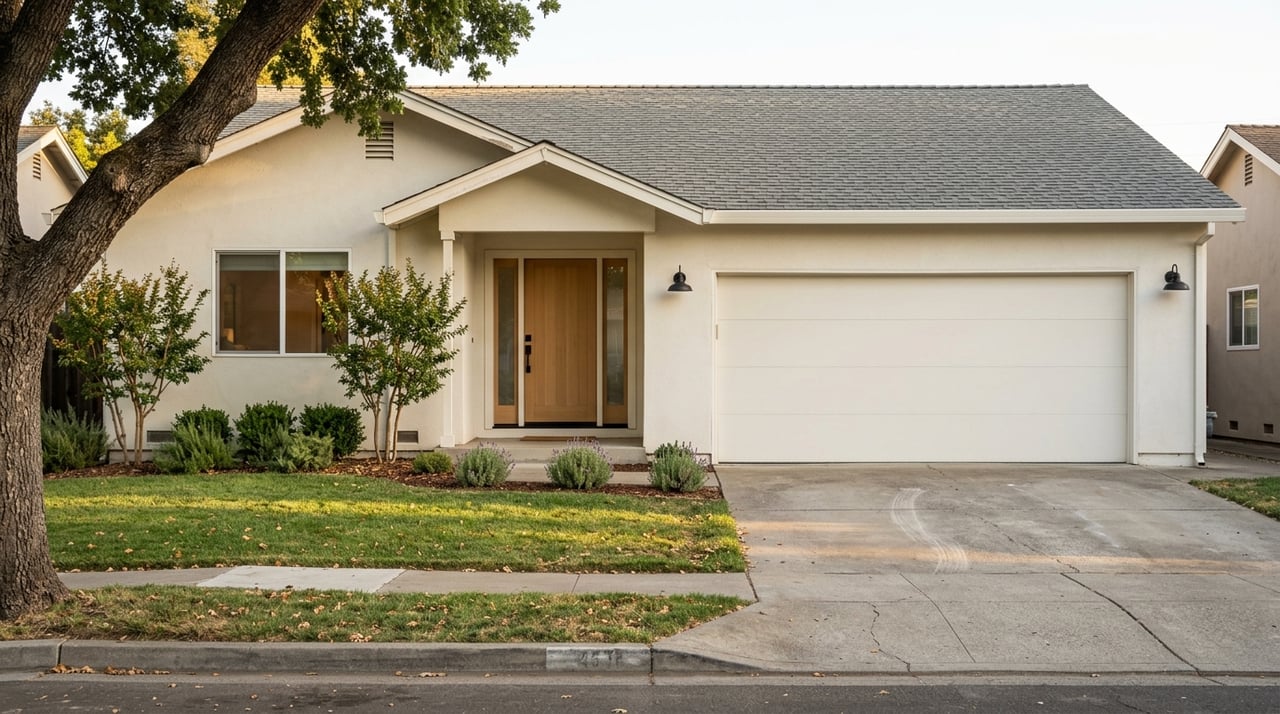
Established Morgan Hill streets feature varied architecture, including ranch, mid‑century, Mediterranean, and Craftsman influences. Lot sizes are often larger or more varied than newer tracts. Estate pockets and foothill areas can offer quarter‑acre lots and, in some cases, multi‑acre parcels. If you want privacy, gardens, or room for an accessory dwelling unit, these areas can deliver space that is hard to find in newer subdivisions. The city’s housing element confirms that a large share of Morgan Hill’s homes are older, which supports the variety you see in mature neighborhoods. Review the City of Morgan Hill’s Housing Element for citywide age and condition context.
Floor plan tradeoffs and potential
Older homes often have more compartmentalized layouts with separate living and dining rooms. Many have been remodeled or expanded, and larger lots make it easier to plan future projects like an ADU, workshop, pool, or outdoor kitchen. You may sacrifice some of the turnkey feel you see in recent builds, but gain flexibility and land value that suit long‑term plans.
Community texture and access
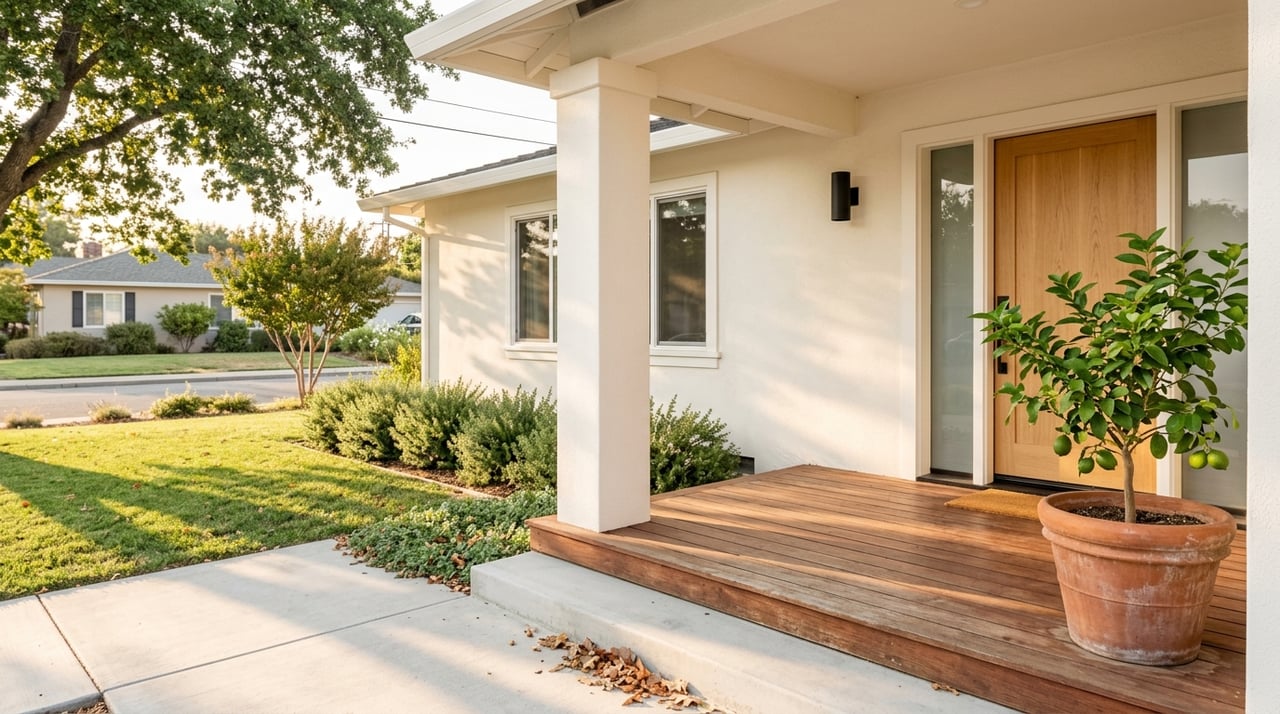
Mature neighborhoods can offer tall shade trees, established landscaping, and a unique street‑by‑street character. Some areas closer to downtown provide an easy reach to shops, parks, and community events like the farmers’ market. Sidewalks and street widths can vary, especially in older pockets. If walkability or a specific vibe matters to you, tour at different times of day to get a true feel.
Maintenance, disclosures, and hidden costs
Why home age matters
Because much of Morgan Hill’s housing was built before 2000, older homes more commonly need targeted rehabilitation or system upgrades. The City even runs rehabilitation programs to address age and condition across the housing stock. That points to a higher probability of near‑term maintenance for many established homes. You can read more in the City of Morgan Hill’s Housing Element.
Key inspection targets for older homes
Focus your due diligence on the big‑ticket systems:
- Roof age and remaining life
- HVAC performance and age
- Water heater age and capacity
- Sewer or main line condition
- Electrical service, panel capacity, and grounding
- Windows, doors, and weather sealing
- Foundation condition and seismic details
Required disclosures and known materials
- Lead‑based paint: For homes built before 1978, sellers must provide lead‑hazard disclosures and the EPA pamphlet. If you plan to renovate, use certified contractors and safe work practices. Review buyer and seller obligations here: California lead hazard disclosure guidance.
- Polybutylene plumbing: Some homes built or repiped between roughly 1978 and 1995 may have polybutylene piping, which is often treated as a repipe candidate. If discovered, consult a licensed plumber, confirm insurance implications, and budget accordingly. Learn the background here: Polybutylene plumbing overview.
Maintenance for newer homes
Newer homes shift, not eliminate, maintenance. You will still want to verify solar system condition and warranties, EV charging circuits, smart thermostats, and appliance coverage. Ask for a builder warranty review, parts and labor documentation on solar inverters and batteries if present, and any HOA maintenance schedules for shared features. The Title 24 solar standards and EV‑ready requirements can lower retrofit risk over time, but an inspection remains essential.
Schools, commute, and resale
School assignment checks
Morgan Hill Unified School District operates the city’s public schools, with assignments based on address. Boundaries can change, and nearby streets may feed to different campuses. Always confirm the assigned schools for a specific address using the district’s tool: Find your MHUSD school.
Commute realities to Silicon Valley
Morgan Hill offers Caltrain service with limited runs and quick freeway access via US‑101. Your day‑to‑day commute may vary by time of departure, lane improvements, and incident patterns. Do a practice run during peak times and explore alternative routes when you tour neighborhoods. For city transportation context, see the City of Morgan Hill budget reference.
Resale considerations
- Newer homes often attract buyers who want turnkey condition, modern energy features, and predictable systems. That can widen your buyer pool when you sell.
- Established homes with larger lots appeal to buyers who prioritize outdoor space, privacy, or future projects like an ADU. Budget for any needed upgrades when you compare net value.
- Compare resale potential using neighborhood‑level comparables that account for year built, lot size, and school assignment rather than citywide medians.
Newer vs. established: side‑by‑side snapshot
| Factor | Newer Subdivisions | Established Streets |
|---|---|---|
| Floor plans | Open‑concept, larger primary suites, flexible spaces | More segmented layouts, many remodeled or expanded |
| Lot size | Smaller private yards, efficient patios | Larger or more varied lots, estate and multi‑acre options in some areas |
| Systems & energy | Newer systems, Title 24 solar on most post‑2020 builds, EV‑ready wiring more common | Systems may be older, upgrades vary by home |
| Amenities | Sidewalks, parks or greenbelts, consistent streetscapes, HOA standards in many areas | Mature trees and landscaping, varied streetscape, fewer uniform amenities |
| Maintenance now | Lower near‑term repair risk, review builder and equipment warranties | Higher chance of near‑term upgrades, plan for roof, HVAC, sewer, electrical |
| Community feel | Planned neighborhood look, consistent exterior styles | Long‑standing character, diverse architecture, some areas close to downtown |
| Budget pattern | Often higher price per square foot for turnkey and features | Often more land for the dollar, offset by upgrade costs |
| Resale angle | Appeals to move‑in‑ready and energy‑savvy buyers | Appeals to space‑seekers and ADU or project‑minded buyers |
How to choose: a simple decision path
- Define your top three must‑haves. Is it move‑in readiness, yard size, indoor office space, or proximity to downtown or transit?
- Set a total cost of ownership. Pair price with expected maintenance. In older homes, budget for roof, plumbing, HVAC, and potential lead‑safe practices if pre‑1978. In newer homes, review builder, solar, and equipment warranties.
- Map commute and school priorities. Use the district tool to confirm school assignment and test drive your commute during peak hours. Use Find your MHUSD school.
- Tour both types back‑to‑back. Walk the blocks, note street widths, trees, sidewalks, lighting, and traffic. Visit at different times to check noise and parking.
- Inspect with intention. For established homes, add sewer scopes and panel capacity checks. For newer homes, verify solar output, EV circuits, and any HOA rules.
Ready to compare in person?
If you want a clear side‑by‑side view of Morgan Hill neighborhoods, floor plans, and lot options, let’s build a shortlist and tour them together. With cross‑market experience helping Bay Area movers and bilingual guidance in English and Spanish, Naomi Townsend will help you weigh features, maintenance, commute, and resale so you can buy with confidence.
FAQs
What is the biggest difference between newer and established homes in Morgan Hill?
- Newer subdivisions emphasize open layouts, modern energy features, and lower short‑term repairs, while established streets often offer larger or more varied lots, mature landscaping, and more customization potential.
Do new homes in Morgan Hill include solar by law?
- Most new single‑family homes permitted since January 1, 2020 must meet Title 24 standards that require rooftop solar or an approved alternative. See the California solar requirement overview.
How do I confirm which schools serve a Morgan Hill address?
- Use the Morgan Hill Unified School District tool to verify current boundaries by address: Find your MHUSD school.
What maintenance issues are common in older Morgan Hill homes?
- Expect potential upgrades to roof, HVAC, sewer lines, and electrical panels. Homes built before 1978 require lead‑hazard disclosures, and some 1978–1995 homes may have polybutylene plumbing. See lead disclosure guidance and polybutylene background.
Are established neighborhoods more walkable to downtown Morgan Hill?
- Some established areas sit closer to downtown amenities, but walkability varies block by block. Tour at different times and note sidewalks, lighting, and street crossings to gauge fit.
How should I think about resale when choosing between newer and established homes?
- Compare by neighborhood, year built, lot size, and school assignment. Newer homes often draw turnkey buyers, while larger‑lot homes attract space‑seekers and ADU planners. Factor in upgrade costs to understand net value when you sell.